Exploring diverse protein sources and nutritional quality
Protein is essential for numerous bodily functions including muscle building and repair, enzyme and hormone production, and immune support.
Proteins are composed of amino acids, and the human body requires all essential amino acids for optimal function. Different protein sources provide varying amino acid profiles.
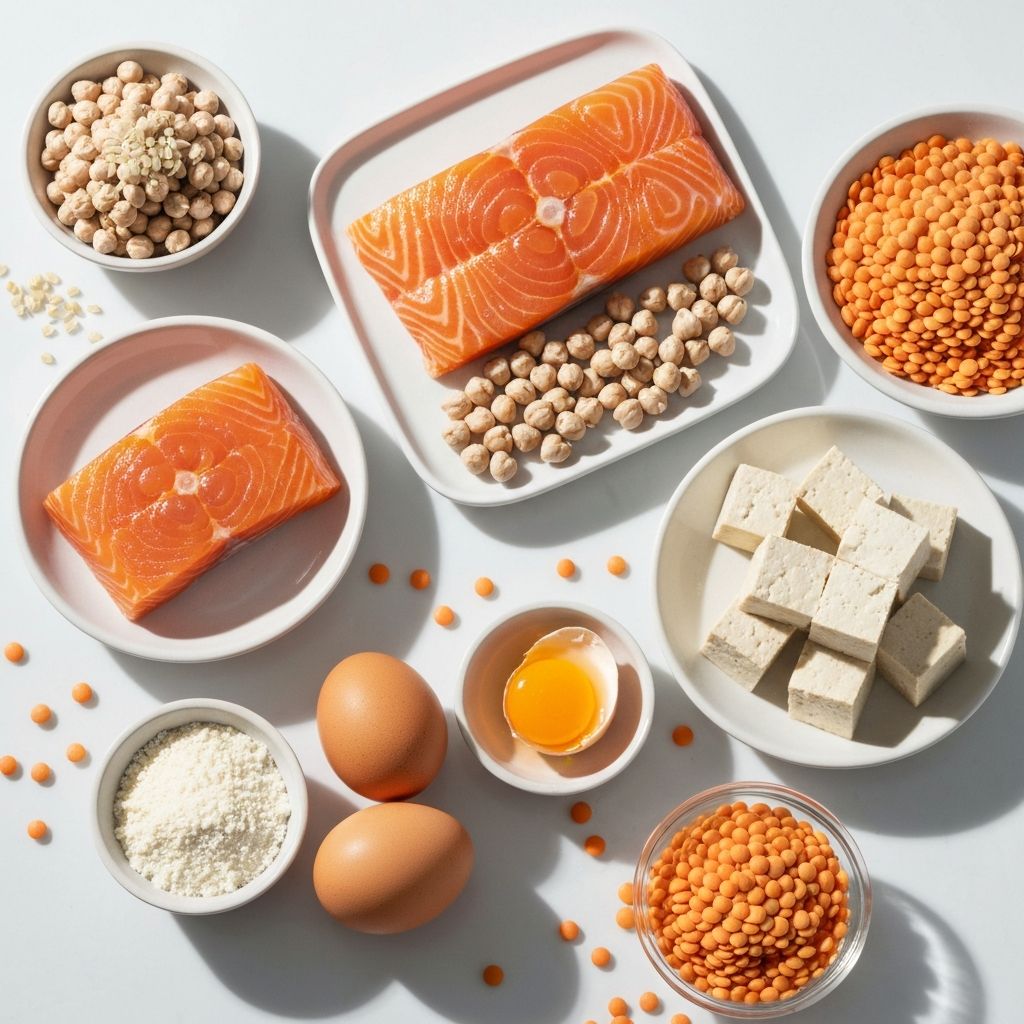
Sources such as lean meats, fish, eggs, and dairy products generally provide complete proteins containing all essential amino acids. They also contribute other nutrients including iron, B vitamins, and omega-3 fatty acids (in fish).
Legumes, nuts, seeds, and whole grains provide protein along with fiber and various micronutrients. Many plant-based proteins can be incomplete individually but combined provide complete amino acid profiles.
Incorporating variety from both animal and plant-based sources ensures access to diverse nutrients and amino acid profiles. This approach supports nutritional completeness and sustainability.
Protein quality refers to how effectively the body can use the amino acids provided. Factors include amino acid composition, digestibility, and processing methods.
Understanding protein sources allows for informed choices that align with individual preferences, dietary patterns, and nutritional goals.
This article provides educational information about protein nutrition. It does not constitute medical advice or individual recommendations. Protein requirements vary based on age, activity level, and health status. Consult healthcare professionals for personalized dietary guidance.